
If you’ve ever opened a mosaic crochet pattern and thought, “What am I looking at?” you’re not alone! Mosaic crochet charts can seem intimidating at first, but once you understand how they’re laid out, they’re actually very easy to follow.
In this guide, I’ll explain how to read a mosaic crochet chart, what the symbols mean, and share a few tips that will help you follow patterns with confidence.
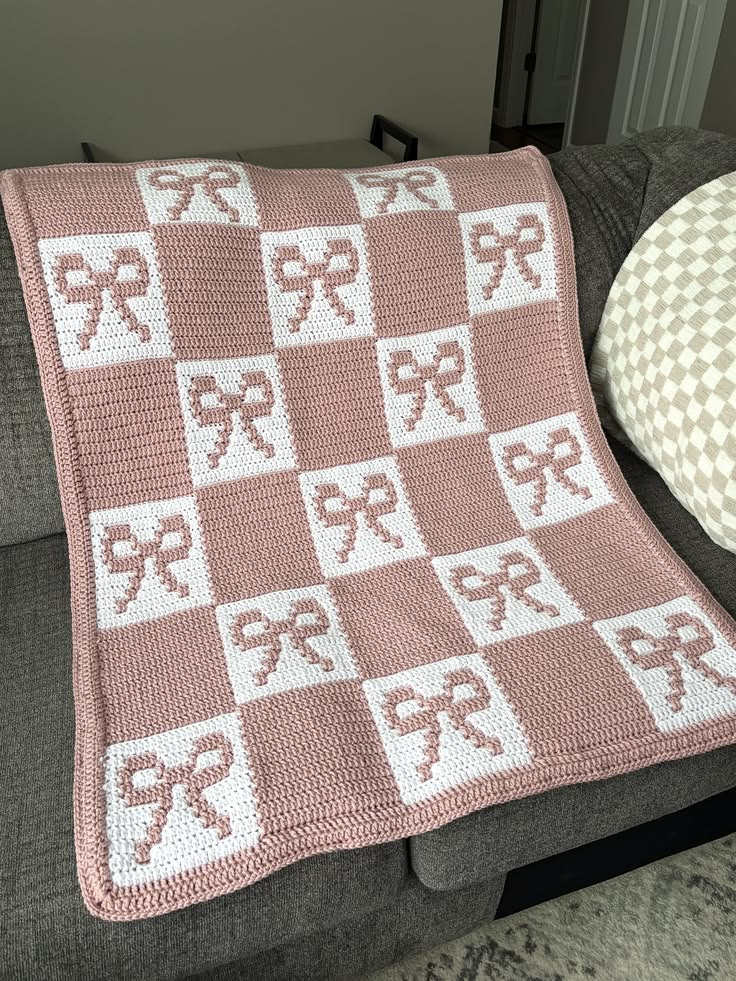
What Is an Overlay Mosaic Crochet Chart?
A mosaic crochet chart is a visual map of your pattern. Instead of following long written instructions, you’ll follow a grid made up of small squares.
Each square represents one stitch in your crochet project. As you complete each row, those stitches come together to create the finished design shown in the chart.
Many crocheters find charts easier to follow because they can see the pattern developing as they work.
How to Read an Overlay Mosaic Crochet Chart
Overlay mosaic crochet charts are read from the bottom up, beginning with the first row at the bottom of the chart.
Unlike many crochet techniques, you do not turn your work. Each row is worked from the right side of the project. After completing a row, you’ll fasten off your yarn (if your pattern calls for it), return to the beginning, and start the next row with the appropriate color.
Because every row begins on the same side of your work, each row is read from right to left.
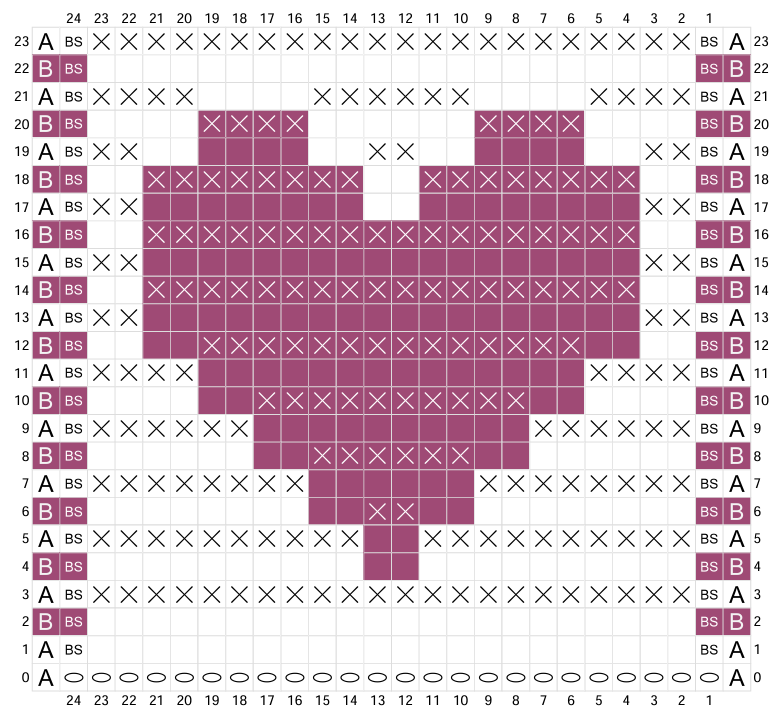
Refer to the chart below as you read through the rest of this guide.
Understanding the Chart
Before you begin crocheting, take a moment to look over the chart and its key. Most overlay mosaic crochet charts include helpful information that tells you exactly how to get started.
Here are a few things you’ll commonly see:
- Color A and Color B – These indicate which yarn color should be used for each row. The chart will show you which color to start with, making it easy to keep your color sequence consistent throughout the project.
- Foundation Chain Symbol – At the bottom of the chart, you’ll typically find a chain symbol followed by a number. This tells you how many chains to make for your starting foundation.
- Row Numbers – Rows are numbered from the bottom up. Since overlay mosaic crochet is worked without turning your work, each row begins on the right side and is read from right to left.
- Chart Key – Every designer has their own chart style, so always check the key before you begin. The key explains what each symbol represents, such as back-loop-only single crochet stitches and front-loop-only dropped double crochet stitches.
Once you understand these four parts of the chart, following a mosaic crochet pattern becomes much easier.
One Color Per Row
One of the best things about overlay mosaic crochet is that you only work with one color at a time.
Complete the entire row using one color before fastening off and beginning the next row with the alternate color. Since you’re never carrying multiple strands across your work, overlay mosaic crochet creates beautiful colorwork without the hassle of managing several yarns at once.
Tips for Following Your Chart
If you’re new to reading charts, these simple tips can make the process much easier:
- Keep a ruler or sticky note under your current row.
- Highlight completed rows on a printed chart or PDF.
- Count your stitches at the end of each row.
- Double-check your work every few rows instead of waiting until the end.
- Take your time! It’s much easier to fix a mistake after one row than after ten.
With a little practice, reading charts quickly becomes second nature.
Common Beginner Mistakes
Here are a few common mistakes to watch for:
- Reading the chart from the wrong row.
- Forgetting to start each new row from the right side.
- Working a dropped stitch into the wrong location.
- Losing your place on the chart.
If something doesn’t look quite right, don’t worry! Most mistakes are easy to fix when caught early.
Final Thoughts
Learning to read overlay mosaic crochet charts may seem challenging at first, but after just a few rows, you’ll start to recognize how the pattern comes together. Before long, you’ll be reading charts with confidence and creating beautiful mosaic crochet projects with ease.
I hope this guide helps you feel more comfortable working from charts. Happy crocheting!
-Brittany / StitchedStone